Infographics are tools for understanding and for providing a visual representation of quantitative and/or qualitative information. They should take into account what the reader's mind will attempt to do with data and be formatted accordingly. They are an exciting way to tell a data-driven story in a visually appealing and easy-to-understand format. There are multiple online resources that can be utilized to create infographics. I recently explored three of them: easelly, piktochart, and infogram.
Easelly is a free infographic maker. You may customize provided templates including timelines, reports, processes, resumes, and comparisons without creating an account or register to create a free account in order to start with a blank template. Free access has some limitations in the number of templates, images, fonts, and charts available for use. But, of course, there is the option to update to a Pro account for $4 per month if you'd like. For teachers and librarians, I'd suggest beginning with the free account and then upgrading if necessary. Using easelly was extremely easy and very intuitive. After choosing a template to begin with, you simply double click on the text in order to change and format it (change font, size, color, alignment) as you would in a word processing document. When starting with a blank template, you are able to customize the size of the infographic. The menu bar at the top of the screen is user-friendly and enables you to drag-and-drop objects into the document. The only difficulty I encountered was removing a line after I'd placed it and moved on to something else. I wasn't able to figure out how to remove it retroactively. There is an online chat feature, though, to help you if you run into complications while creating your masterpiece.
Piktochart also has the choice of creating a free or paid account. Educators can gain access to additional templates and features for $39.99 per year. There is also a Pro Team option for $199.95 per year which includes a collaboration feature. I suggest starting with the free option and adding the additional features only if necessary. Once you set up an account by entering your name, email address, and creating a password, you must activate the account by clicking on the link sent to your email address. After you sign in for the first time, you will be asked a few questions so that Piktochart can provide tips and templates that are most applicable to you. I love that you can specify that you are a teacher, student, or librarian! You can also decide if you want tips sent to your email address or not. Teachers and librarians receive a plethora of email regularly, so I appreciate having the choice and ability to say, "No, thank you." Piktochart provides three steps for creation: pick a template, design your infographic using the drag-and-drop editor, and share your work. Carrying out these steps was extremely easy and very intuitive. I did not feel as though there were a large number of useful templates to begin with in the free option. However, there were tons of ways to customize a template or create one from scratch. Color schemes can be easily changed and there are some really cool photographs, shapes, and icons offered. Some of the unique features I was drawn to include the ability to adjust the opacity of a picture/photo and the line spacing as well as height of text. If you find that you are having difficulty while creating, there is a Need Help? feature at the bottom of the screen. I found it easy to use when I encountered a question. A search bar opens up and you can type in a term to access frequently asked questions and answers.
Infogram offers both free and paid accounts. The Pro version is $19 per month, Business level is $67 per month, and a Team account is $149 per month if you pay on an annual basis. The price is higher if you want to pay monthly. Yikes! Special prices are available for educators and students, but an online form must be submitted before the price is revealed. Definitely try the free version to see if it meets your needs before upgrading. Only an email address and password are required to set up an account. Afterwards, you will be prompted to enter your name and role (educator and student are options). You may then choose a template to start with including eight infographic options. Overall, I found infogram pretty simple to use. However, the options offered with the free plan were very limited and basic. In addition, instead of using the drag-and-drop method, items are added by clicking. The object then appears randomly on the page which I found a bit irritating.
My verdict: Piktochart
By Chris Potter (Flickr: 3D Judges Gavel) [CC BY 2.0 (https://creativecommons.org/licenses/by/2.0)], via Wikimedia Commons
Infogram was my least favorite tool. It wasn't hard to use, but it required a bit more work to get the desired effect. Its free account was the most restricted and frustrating. Upgrading to a paid account may offer better options, but I prefer free stuff and I expect that you do too! Easelly would be my second choice because it offers some amazing templates. In fact, if one of the templates fit my need, I would use it. I recommend that you do as well because it would be quick to customize and would provide an excellent result. Piktochart is my top choice for creating custom infographics. In my opinion, the templates are more limited than easelly's. However, Piktochart's free account offers the most shape, icon, color, font, and photo options. The drag-and-drop feature is extremely easy to use and has some unique features. Of the three utilities that I tried, it was the simplest to navigate. Piktochart will enable teachers and librarians to quickly create custom colorful and unique infograms for presenting information in a visually appealing way to students, parents, and the learning community.
------------------------------------------------------------------------------------------------------------------------ Silver, L., & Johnson, C. (2018, October 09). Internet seen as having positive impact in Sub-Saharan Africa. Pew Research Center. Retrieved from http://www.pewglobal.org/2018/10/09/internet-connectivity-seen-as-having-positive-impact-on-life-in-sub-saharan-africa/
Dictionary.com defines social media as "websites and other online means of communication that are used by large groups of people to share information and to develop social and professional contacts." There are numerous social media platforms that you may be familiar with such as Facebook, Twitter, YouTube, and Snapchat. In this blog post, I'm going to focus on Facebook and Twitter.
Facebook
Facebook is a social networking utility with over a billion users. It is often used to connect with family and friends online. Pictures, videos, and links can be easily shared among selected "friends." In addition, it can be used for live chatting, and comments can be made on posts. As a future librarian, I was curious to know how school libraries utilized this tool. A quick search on "school library" retrieved over 100 results representing schools of all levels. Upon perusing a number of these pages, I found that Facebook was mostly utilized to promote the library by including pictures and videos of school library programs. The smiling faces of children involved with books, authors, and makerspace activities were quite effective in making the library a place I would want to visit. In addition, I was able to see each library's stated mission being played out. I even started a Google Doc of Future Library Ideas containing thoughts I gained from my experience! There are certainly advantages as well as disadvantages to using Facebook in schools. For teachers and librarians, it is an easy platform to use for posting pictures and including information about classroom/library happenings. It allows parents to see what their children are doing at school and helps to create the feeling of a school community. However, a huge disadvantage is student privacy issues. In my school library, student pictures are not allowed to be taken at all. So posting them on a Facebook page would not be possible. Before creating a professional Facebook page, teachers and librarians should check with the school district regarding its policies. How about students? Is Facebook a good tool for them to use? I do not think so. Although a majority of students have access to social media and it offers opportunities for communication and collaboration, in order to set up an account, the user's name, email address, gender, and date of birth must be entered. This is private information. The Children's Online Privacy Protection Act prohibits websites that gather user information from granting access to anyone under 13 years of age. So elementary, intermediate, and junior high school kids cannot create Facebook accounts. For high schoolers, I think there are better options out there for classroom collaboration and communication such as Google tools and virtual learning environments like Blackboard or Canvas which protect privacy and give the teacher more control over the environment. In addition, school-aged kids currently think of Facebook as something older people use. Twitter and Instagram are considered more trendy to the younger generation. My recommendation: Keep a personal Facebook account for connecting with family and friends if you wish, but do not use Facebook with students. If you desire to set up a professional account to advertise your classroom/library events, check school and district policy first. Twitter
Twitter is a microblogging utility with a limited character entry of 280 per post/tweet (doubled from 140 in late 2017). I was initially intimidated by Twitter, but committed to follow 7 people/organizations (@ ProfessorNana, @kperry, @johngreen, @colbysharp, @penguinrandom, @yalsa, @MrSchuReads) for 10 weeks in January of 2018 to get into the swing of it. It worked! By March, my perspective had changed. I now follow an additional 8 people, including educational technology leaders. I view Twitter as a kind of mini news feed. The type of news received is up to you and determined by who you choose to follow. If a post contains a link to an article, video, or website, a brief scan of the limited preceding words will help you make a quick judgement as to whether or not you'd like to follow it. Twitter is a great tool for teachers and librarians to use to keep up with trends in education, gather ideas for the classroom/library, communicate with others, and build a network of professionals. It is easy to connect with almost anyone because practically everyone tweets including authors, teachers, publishers, scientists, organizations, and even the President. And...since tweets are limited in size, they are guaranteed to be short, which makes reading them easy to fit into a busy schedule. There are a few disadvantages, though. Tweeps (users of Twitter) can retweet posts made by others. So, if the people that you follow are interconnected themselves, you will often see the same tweets posted multiple times on various feeds. [TIP: You can turn off retweets by clicking the "hamburger" menu next to the "Following" button at the top of your screen on the right. Yay!] Also, a fair share of Tweeps tweet about EVERYTHING. For example, "I just stopped to get coffee at the cornerstore on Common Avenue" or "Today I had eggs for breakfast." In my opinion, reading these type of tweets wastes time...and who among us has time to waste? Even though Twitter is considered more hip than Facebook by students, I don't recommend utilizing it with them in the classroom or for assignments. As with Facebook, COPPA prohibits use by anyone under the age of 13. High schoolers are technically old enough to have an account, but there are a lot of inappropriate tweets out there and digital footprints have to be managed carefully. If you decide to utilize Twitter with students, I suggest checking your school's policy, obtaining parental permission, and training the students in advance regarding appropriate use as well as safety. My recommendation: Use Twitter to keep up with trends in education and to share what is going on in your classroom/library. Before posting pictures of students, check your district policy. 🕮🕮🕮🕮🕮🕮🕮🕮🕮🕮🕮🕮🕮🕮🕮🕮🕮🕮🕮🕮🕮🕮🕮🕮🕮🕮🕮🕮🕮🕮🕮🕮🕮🕮🕮🕮🕮
My Ed Tech Leaders Exploration in Twitter
As mentioned above, I recently began following educational technology leaders. Through them, I am learning much about the field that I can share with teachers, parents, staff, and students. Here are some of my discoveries and favorite tweets so that you can determine if you'd like to follow any of them in Twitter, too. Enjoy! Jim Lerman (@jimlerman): What an amazing man! He is so knowledgeable about educational technology and much more. Want to spice up how your students learn vocabulary and engage them? Link out to Jim's scoop.it article, Beyond Words: The Winners of the 2018 Vocabulary Video Contest - The New York Times. All of Jim's tweets appear to have links to his Scoop.it! page. So, it is easy to read more great ideas after you link out to one.
Follow Jim at @jimlerman
Gwyneth Jones (@GwynethJones): She's known as The Daring Librarian and provides tips on integrating technology into the school, creating makerspaces, and running a successful library, as well as a glimpse into her personal thoughts. I loved her tips on using Bitmoji...did you notice mine?
Follow Gwyneth at @GwynethJones
David Warlick (@dwarlick): I discovered that he just released a book on 40 years of tech in education. Quite a legacy!
Follow David Warlick at @dwarlick
Kathy Schrock (@kathyschrock): Super short tweets with links to more detail on everything tech related...Photoshop, Office 365, apps, iPads, Adobe Education Exchange... Lots of good information on presentations she makes as a keynote speaker as well.
Follow Kathy Schrock at @kathyschrock
Linda W. Braun (@lbraun2000): Linda is very connected to YALSA (she's a past president) and you'll find a lot of information related to reaching teens on her page. I particularly enjoyed reading about an app challenge involving coding.
Blogs are an amazing way to learn new information or to follow a person's diary-type entries. However, there are so many wonderful blogs out there that it is easy to become overwhelmed in trying to keep up. I recently learned about a tool that can help you manage all of the blogs that you want to read: feed readers. RSS (Really Simple Syndication) apps are feed readers that curate the content of your blogs automatically when you subscribe to your favorite sites. Now, if you are like me, you probably feel a bit intimidated about learning a new tool. I felt alarmed about utilizing an RSS feed reader to keep up with the blogs I read because:
I had never heard of feed readers, even though they have apparently been around for over 20 years. -AND-
I don't regularly follow many blogs because I don't feel I have the time.
However, I was determined to give it a try, and I was pleasantly surprised at my experience. After reading an incredibly helpful article, The 12 Best RSS Reader Apps to Follow Your Favorite Blogs, Sites, and Feeds, by Vicky Cassidy (2017), I decided to try Feedly because I liked the layout displayed in the article. I am a very visual person, so I was especially drawn to the inclusion of pictures next to the articles within the Feedly display. In addition, the sidebar arrangement seemed user-friendly, especially the Collections and Read Later options, and the name of the app sounded fun (Feedly -- hee hee)! I was amazed by the number of RSS Readers that exist. I also considered trying Panda and Feedbin. Panda is customizable, but the three column layout was overwhelming to my eyes. Feedbin allows you to search your content which was tempting, but the thought of tagging my content in order to place it into categories sounded time consuming to me. I wanted set-up to be as simple and quick as possible. Setting up my Feedly account was simple; I only had to enter my full name, email address, and a password. I already knew which blogs I wanted to add to my feed, so I simply entered the website address of each of them, chose "FOLLOW", entered the name I wanted displayed, then clicked "+ NEW FEED". Feedly pulled up the designated source, including the number of articles published on the blog per week. For someone who does not want to be overwhelmed with information such as a busy librarian, teacher with a full schedule, or student who must complete homework assignments before browsing feeds, this feature will be extremely beneficial in helping to choose blogs wisely. Each blog that I added appeared in the left sidebar under the Feeds heading listed with the user-friendly name that I had previously assigned. The number of unread entries was listed beside each name. On the main page, it was simple to choose to view all of the posts, one particular blog, today's entries, or articles that have been marked to read later. Overall, I found Feedly easy to set up and understand, visually pleasing, and that it was a great organizational tool. I feel like it promises to alleviate the stress of the amount of digital input available at my fingertips and that it will actually encourage me to follow additional blogs. I highly recommend it for teachers and students from 7th grade and up. Younger students generally do not follow blogs, so Feedly would not be necessary. The blogs that I chose to initially follow through Feedly are:
Mr. Schu Reads: This blog is written by lecturer and Scholastic Ambassador, John Schu. It contains book reviews and trailers, which is why I chose to follow it. It helps equip me for pairing students with books.
Nerdy Book Club: This blog is written by Donalyn Miller, Colby Sharp, Katherine Sokolowski, and Cindy Minnich. Its purpose is to share the love of reading and to inform others about the Nerdies Book Awards. I chose to follow this blog because the Nerdy Book Club is cool and because of the Nerdy Book Award lists which help me in selecting books for the library.
Sharpread: This blog is written by Colby Sharp, a third grade teacher. It contains information related to his love of reading/students and author podcasts. I chose to follow this blog because I love reading (and watching) Colby's book reviews. He helps me to keep up-to-date with new releases for multiple age groups. I also enjoy the video clips he shares of his classroom and interactions with his students.
The Goddess of YA Literature by Dr. Lesesne: This blog is written by Dr. Teri Lesesne, a brilliant Sam Houston State University professor. It contains her thoughts on librarianship and a glimpse into her battle with cancer. I chose to follow this blog because I highly respect Professor Nana and learned a lot from her when I took her Young Adult literature course. I know that any wisdom I can glean from her will be beneficial to me as a librarian.
John Green Books: This blog is written by author, John Green. Right now, it mostly contains information about his newest book, Turtles All the Way Down. However, I follow John on Twitter and expect that future posts will contain his deep thoughts on life and literature. Because I enjoy his Twitter posts and books, and because he makes me think, I chose to follow his blog.
The Daring Librarian: This blog is written by Gwyneth A. Jones, a middle school librarian and technology leader in Maryland. Her sense of humor makes her entries fun to read. In addition, they provide practical information for beginning and experienced librarians. I chose this blog to follow because it is the only blog that my school librarian follows...so I knew it was an important one. In addition, Gwyneth's posts are already helping me make decisions that will shape my future library.
Ms. Yingling Reads -- Books for the Middle Grades: This blog is written by Ms. Yingling, a middle school librarian, and includes book reviews. It is intended for librarians and school library patrons. I chose it because I work in a junior high library, find the book reviews thorough and informative, and because Ms. Yingling has read every fiction book in her library, which I find incredibly impressive.
After choosing the noted blogs, I decided to create a Tumblr account myself. I named it now.dlsquared (my initials are DLL and my husband lovingly called me DLsquared after we got married). I am planning to post pictures and my experiences as I pursue my goal of becoming a school librarian. Check it out here: https://nowdlsquared.tumblr.com/ Now that you understand what blog feed readers are and why I chose Feedly, it's your turn. Set up an account today and lessen the amount of time that you spend managing the blogs that you follow!
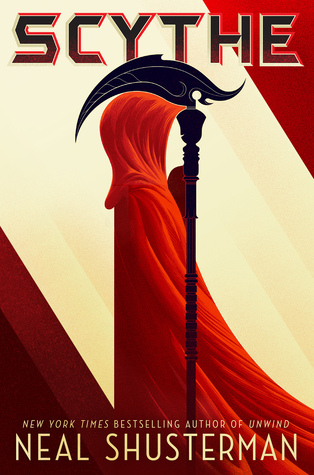
Shusterman, N. (2016). Scythe. New York: Simon & Schuster.
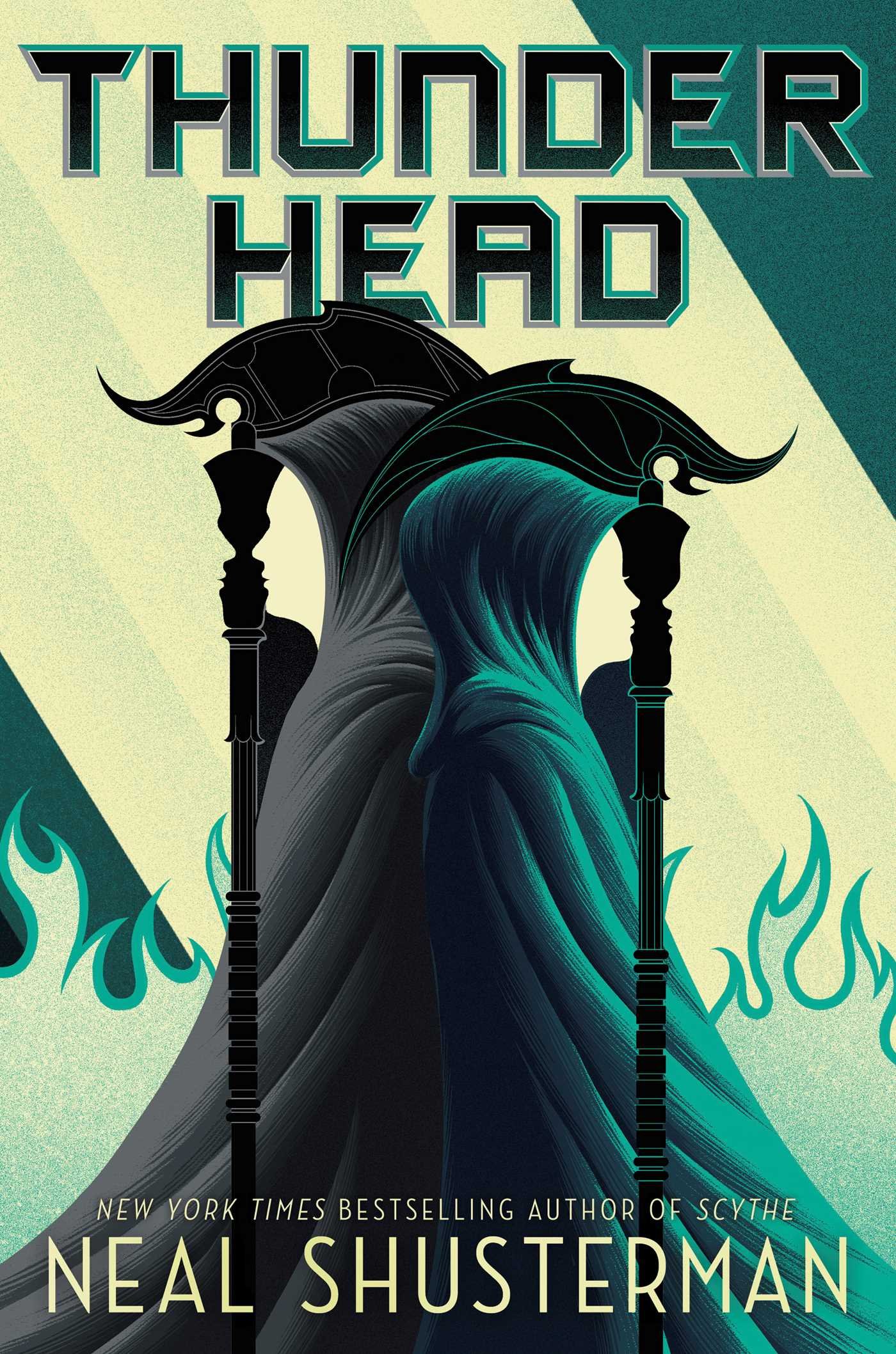
With the help of the Thunderhead, death, disease, and hunger have been conquered. However, overpopulation is now an issue. As a result, the Scythedom was created. Although reluctant, Citra and Rowan are chosen to be apprentices by Scythe Faraday of the old order, but only one of them will ultimately be selected to serve as a scythe by the council.When Scythe Goddard and his disciples push the boundaries with new age ideas and force Citra and Rowan into an unwelcome "win or be gleaned" situation, the entire human race is put at risk. A twist at the end saves these 16-year-old lives and positions them to fight corruption within the system. This is the first Neal Shusterman novel that I've ever read, and I enjoyed it immensely. Scythe is a soft science fiction young adult novel that I would classify as dystopian. The post-mortal society is based in 2042. Shades of our current culture/ideas can be seen within the pages of this book, which makes it relatable and therefore, a bit disturbing. There were numerous biblical allusions throughout, such as the Scythe Commandments (Ten Commandments), living modestly off the goodwill of others (Paul on his missionary journeys), fasting once a year to ponder the commandments, Scythe Goddard's words on pg 75 (Satan trying to take God's position), Goddard pruning branches (Jesus is the vine, we are the branches), Goddard masquerading as light (Satan), and the Thunderhead replying, "I am" to Citra (God). This book will bring many philosophical questions to the reader's mind such as "Where do we go after we die?" and "What makes us human?" The book reminded me of Twilight which has good vampires and bad; in Scythe there are good scythes as well as bad...but in both books, all must kill. I found myself forming theories of how the situation would turn out at the end with Citra and Rowan, but the actual ending surprised me nonetheless. I have to say that I was quite excited to find out that Scythe is the first book in a series. I will definitely be reading Thunderhead and waiting with anticipation for the third book to be written and released. Author, Neal Shusterman's website: http://www.storyman.com/ The sequel, Thunderhead:
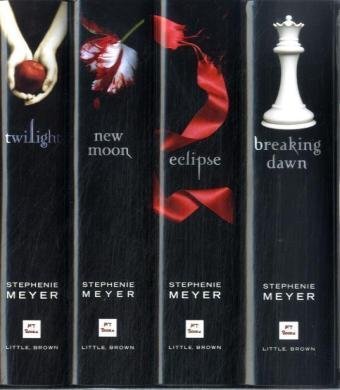
If you like Scythe, you may enjoy the Twilight series (more mature content): 🕮🕮🕮🕮🕮🕮🕮🕮🕮🕮🕮🕮🕮🕮🕮🕮🕮🕮🕮🕮🕮🕮🕮🕮🕮🕮🕮🕮🕮🕮🕮🕮🕮🕮🕮🕮🕮
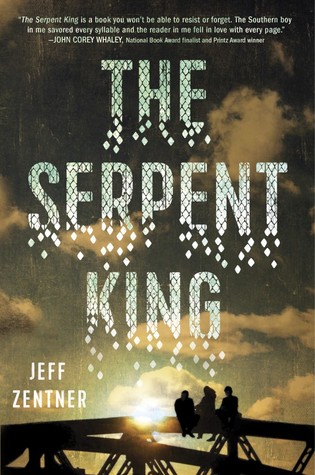
The Serpent King
William C. Morris Award Winner (2017)
by Jeff Zentner
Zentner, J. (2016). The serpent king. New York: Crown. Dillard Early ("Dill") cannot escape the negative connotations of his name in his small hometown of Forrestville. He was named after his father, a snake-handling, poison-drinking preacher serving time for possession of pornographic pictures of a minor. The kids at school bully him because of his father's sins. Both of his parents blame him for his dad's imprisonment and their related financial woes, even though he is blameless. Dill's only solace comes from time spent with his two friends, Lydia and Travis. With Travis's shocking death, Lydia's plan to attend NYU, and his parents' refusal to entertain the idea of Dill attending college, he becomes severely depressed. Thankfully, he reaches out to Lydia before making an irreversible decision to end his life. With the help of Lydia and her supportive parents, Dill finds hope and a promising future. This realistic fiction young adult novel had some heavy subject matter in it, like Travis' abuse by his father. However, it was told in a very realistic manner that did not feel forced or overly played. As a result, it conveyed a message of hope and possibility which will likely inspire its readers to explore their own dreams for their future. There were a number of things that particularly stood out to me. For one, I loved how books were used as a method of escape. Travis read fantasy books in order to escape his grief due to the loss of his brother, Matt. Mr. Burson “made books his life because they let him escape this world of cruelty and savagery." These characters reminded me of how books are so often used as an escape from reality. In addition, I thought it was creative of the author to use a train as a metaphor for a serpent, since snakes were a major motif in this novel. The Serpent King should cause readers to examine stereotypes that they might have, as there were certainly numerous ones conveyed about Pentecostal Christians throughout. It’s interesting to note that Dill's parents believed God could do anything with enough faith, but in reality, they put Him in a box and masked it with piety. Dill went through a number of changes within this novel. Most notable was the change in his relationship with his parents as he moved from the conventional to post-conventional stage of moral development. Author, Jeff Zentner's website: http://www.jeffzentnerbooks.com/ Book trailer:
🕮🕮🕮🕮🕮🕮🕮🕮🕮🕮🕮🕮🕮🕮🕮🕮🕮🕮🕮🕮🕮🕮🕮🕮🕮🕮🕮🕮🕮🕮🕮🕮🕮🕮🕮🕮🕮
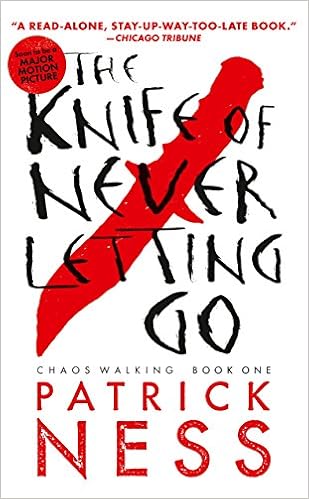
The Knife of Never Letting Go
Required Young Adult Novel
by Patrick Ness
Ness, P. (2008). The knife of never letting go. Boston: Candlewick Press.
In Prentisstown, everyone can hear one another's thoughts, there are no females, and when a boy reaches the age of 13, he is deemed a man. Todd Hewitt, the last remaining boy in town, is quickly approaching his special day. But, at the direction of his caretakers, he flees before it occurs. As Todd runs away from Mayor Prentiss and his band of evil pursuers, he meets a mysterious, silent girl...the first female he's ever encountered. As they journey towards promised safety in Haven, they repeatedly escape Prentisstown's building army, and Todd discovers his true self while learning that most of what he's been taught throughout his life was a lie. This is a fantasy fiction novel which I'd classify as soft science fiction because there is more emphasis on the story, plot, and characters than on science. Even though the setting of the story is New World, this planet is very similar to Earth. Even the aliens of the planet, the Spackle, are a metaphor for our own Native Americans, as they are killed off or displaced by the new settlers who feel threatened by them and want their land. It was interesting to see the development of Todd and Viola's relationship as Todd discovered how to connect with her through silence. I thought it was especially touching when at the end of Chapter 38, Todd is able to read Viola's thoughts without hearing them. The scene was beautiful; really moving. There were multiple biblical allusions throughout the novel. On page 402, Viola refers to Ben as a Christ-figure when she tells Todd, "The point is he cared enough about you to maybe sacrifice himself and if you just give up, then you're saying that the sacrifice is worth nothing!" In addition, Haven is referred to as a place of hope and refuge, much like heaven. This young adult novel is a classic good versus evil story where corruption originates within and men do not want to be the only ones guilty of sin. Unfortunately, the book ends with a cliff-hanger, an abrupt ending with no resolution. Ugghh! I suppose that this will encourage readers to continue on to the second book in Ness' Chaos Walking series to find out what happens next. Author, Patrick Ness' website: https://patrickness.com/
The Chaos Walking series:
Movie trailer (Be sure to read the book first!):
🕮🕮🕮🕮🕮🕮🕮🕮🕮🕮🕮🕮🕮🕮🕮🕮🕮🕮🕮🕮🕮🕮🕮🕮🕮🕮🕮🕮🕮🕮🕮🕮🕮🕮🕮🕮🕮
The Waters & the Wild
Required Young Adult Author
by Francesca Lia Block
Block, F. L. (2009). The waters & the wild. New York: Harper Teen. It's normal for 13 year-olds to feel lonely and as though they don't fit in. What's not so normal is seeing a doppelganger in the middle of the night and longing to eat handfuls of dirt. As Bee seeks to discover the meaning of her unusual encounters with her other self, she befriends Haze, who believes he is an alien, and Sarah, who thinks she is a reincarnated slave girl. All of their lives change drastically as a result of Bee's drawing-them-together before she trades places with her fetch, returning to where she really belongs. Francesca Lia Block's fantasy fiction writing has a poetic feeling to it. It contains short chapters which reveal little bits about Bee's life and is a very quick read, only consisting of 113 pages. In fact, it reads as more of a short story than a novel. Young adult readers will lose themselves while trying to determine what is real and what is not. Overall, I thought it was a unique, but strange, piece of fantasy fiction that will haunt the reader's thoughts long after they finish the last page. Author's website: http://www.francescaliablock.com/ Author, Francesca Lia Block, reads from the book:
🕮🕮🕮🕮🕮🕮🕮🕮🕮🕮🕮🕮🕮🕮🕮🕮🕮🕮🕮🕮🕮🕮🕮🕮🕮🕮🕮🕮🕮🕮🕮🕮🕮🕮🕮🕮🕮
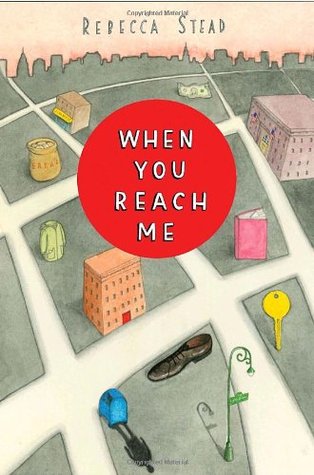
When You Reach Me
Required Young Adult Author
by Rebecca Stead
Stead, R. (2009). When you reach me. New York: Wendy Lamb Books. Miranda is a 12 year-old latch-key kid whose favorite book is A Wrinkle in Time. She lives with her mother and is helping her prepare to be a contestant on $20,000 Pyramid. She befriends Annemarie, Colin, and Marcus after her best and previously only friend, Sal, stops talking to her. Her world is rocked when she starts receiving mysterious notes in unusual places regarding future events that actually occur. Miranda must decide if she will follow the mysterious writer's instructions by keeping the notes secret and by writing a detailed letter back even though she is scared. It might save multiple lives! Coincidentally, I went to see A Wrinkle in Time at the movie theater the day after I started reading this book. So it was exciting to discover that Miranda's favorite book in this novel was A Wrinkle in Time. After reading L'Engle's book and viewing the movie, I was familiar with all of the scenes mentioned in When You Reach Me and, therefore, suspected quickly that time travel might be involved in this book and relate to the mysterious notes that were left for Miranda. However, the book was a mind puzzle, nonetheless. It was an easy read, and a fun read because I was constantly trying to figure out who the letters were coming from and whose life needed to be saved. I thought the quote by Miranda's mother on page 85 was impactful, "A lot of people make bad mistakes. But being in jail can make them feel like a mistake is all they are." I hope that tween and teen readers will take this message to heart and realize that a mistake or bad choice does not define them. In addition, the parallel drawn between Miranda/Sal's friendship loss and that of Julia/Annemarie, should help readers develop empathy for others and move to a more abstract understanding of relationships. This situation illustrates well the life lesson that people assume many things regarding the actions of others which likely aren't true. The only thing that made me a bit uncomfortable with this book for a younger audience was how it encouraged Miranda to keep a potentially dangerous situation secret from her mom. Young adults should be mature enough to realize that this is a fiction novel and be able to discern when to involve their parents in various real-life situations, and I think that the time period in which this book was set is different than our current times. Kids were left to their own devices much earlier in the past than they are now. In fact, after watching Stead's Q & A video below, I realized that this was one of the points of the story. However, for readers who are less mature, it would be wise to discuss the dangers of keeping secrets from parents with them. Author, Rebecca Stead's website: http://www.rebeccasteadbooks.com/index2.html
When You Reach Me won the John Newbery Medal in 2010.
A Q&A with Rebecca Stead about writing and her book:
🕮🕮🕮🕮🕮🕮🕮🕮🕮🕮🕮🕮🕮🕮🕮🕮🕮🕮🕮🕮🕮🕮🕮🕮🕮🕮🕮🕮🕮🕮🕮🕮🕮🕮🕮🕮🕮
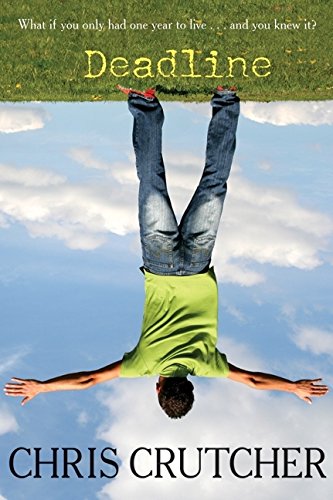
Deadline
Required Young Adult Author
by Chris Crutcher
Crutcher, C. (2007). Deadline. New York: Greenwillow Books. Ben Wolf is not a typical senior. Rather than coast through his last year of high school, he wants to push the limits by reading everything possible, challenging his teachers, winning state in cross country, and stealing Dallas Suzuki's heart. But after discovering he has a terminal illness with only a year to live, his plans change. Now, he just wants normal. In order to achieve that, he decides to keep his diagnosis a secret from everyone. This seems like a good idea at first...until Dallas shares her deepest secret with him, he connects with his brother, Cody, over football, and he becomes concerned with how his death will affect his Mom and Dad. Deadline is a realistic fiction young adult novel which initiates reflection on the important things in life, such as relationships. As Ben struggles with his personal desire for a normal last year of life versus meeting the needs of those he loves, he experiences great maturity as he moves from selfish to global thinking. During his final months, Ben also realizes how to make every moment count by helping to better the lives of others, a lesson that all humanity could stand to learn. Crutcher's references to Jesus as Hey-Soos within Ben's dream discussions are clever and make it possible for readers who are turned off by God or religion to consider Jesus as a counselor. The inclusion of Dallas as a teen mother and Rudy as a sex offender raise philosophical questions and help young adults to mature as they witness Crutcher's development of these characters as whole people who are more than the sum of their parts. The end of this novel made me cry and realize how precious, and short, life is...whether 18 years long or 100. Author, Chris Crutcher's website: http://www.chriscrutcher.com/
Book trailer:
An interview with Chris Crutcher on Deadline:
🕮🕮🕮🕮🕮🕮🕮🕮🕮🕮🕮🕮🕮🕮🕮🕮🕮🕮🕮🕮🕮🕮🕮🕮🕮🕮🕮🕮🕮🕮🕮🕮🕮🕮🕮🕮🕮
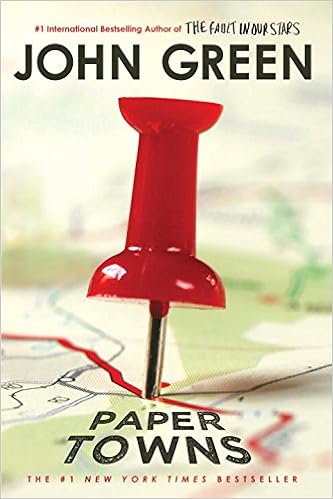
Paper Towns
Required Young Adult Author
by John Green
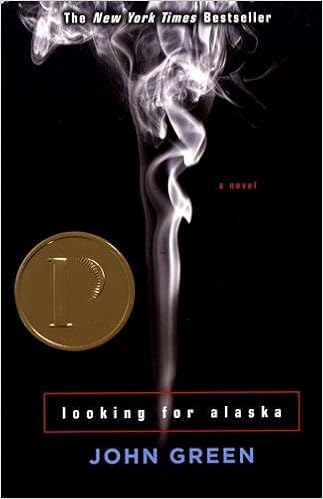
Green, J. (2008). Paper towns. New York: Speak. Quentin Jacobsen and Margo Roth Spiegelman are next door neighbors who met at the age of two. Best of friends, actually, until one day at the park when they stumble upon a dead body slumped against a tree. From that point on, Margo shuts Q out, and he has to admire her from afar. Then, one unexpected night during his senior year, Margo appears at his window and convinces him to take part in a series of revengeful, but adventurous, events with her. After their exciting night together, Q hopes that they will reconnect...but Margo seemingly disappears. Distraught, Q discovers clues to her whereabouts and refuses to give up the search until Margo is found, dead or alive. In the process, he comes to discover the real Margo, one he never realized existed. Paper Towns is a realistic fiction novel in mystery form. John Green did his research in creating this story for young adults and introduces three variations on the meaning of paper town in order to keep the reader guessing. I have to admit that I fully expected the story to turn out similar to his award-winning novel, Looking for Alaska. So, I was pleasantly surprised when it did not. The hour-by-hour commentary of the road trip to find Margo near the end of the book was laugh-out-loud funny in multiple places. But, at its core, this narrative causes deep thinking about who people really are versus who they portray themselves to be. It was interesting that Margo had to disappear (physically) in order to be found (personally). Paper Towns encourages readers to be authentic with one another and to allow others the freedom to be more than the surface image they may portray. Author, John Green's website: http://www.johngreenbooks.com/
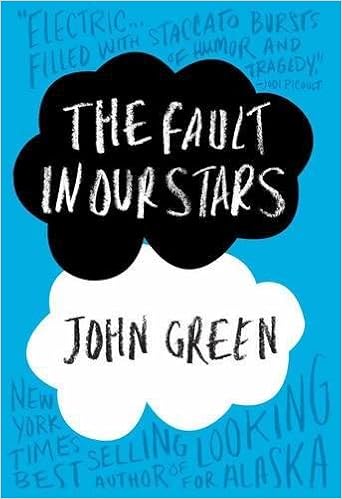
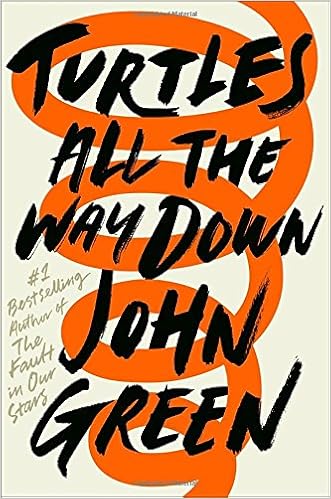
Follow John Green on Twitter: @johngreen Other books by John Green that you might enjoy:
🕮🕮🕮🕮🕮🕮🕮🕮🕮🕮🕮🕮🕮🕮🕮🕮🕮🕮🕮🕮🕮🕮🕮🕮🕮🕮🕮🕮🕮🕮🕮🕮🕮🕮🕮🕮🕮
Solo
Required Young Adult Author
by Kwame Alexander
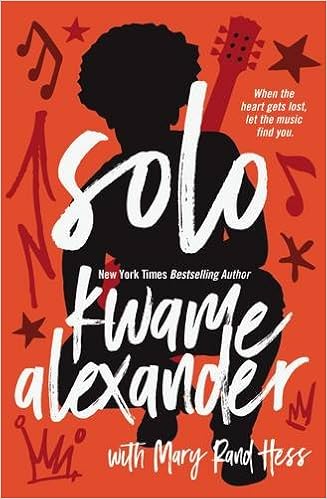
Alexander, K. (2017). Solo. Grand Rapids: Blink. Blade is the son of rock star and drug addict, Rutherford Morrison, and desperately wants to escape the reputation of his father. Blade finds solace in his girlfriend, Chapel, but must sneak around to see her since her parents assume that he is a chip off the old block and forbid any interaction between them. Things come to a head when they are caught together and after Storm, Blade's sister, reveals during a fit of anger that Blade is adopted. With nothing left to hold onto, Blade goes to Ghana in search of his birth mother. While there, Blade discovers that the world is larger than the California home he's always known and finds love beyond his expectations. Kwame Alexander does it again in his 2017 realistic fiction novel, Solo, for young adults!In his modern and rhythmic style, he tells the story of Blade in a series of poems, text messages, and song lyrics. Alexander's poetry is not boring in the least. In fact, it was easy to forget that I was even reading in verse. The way Alexander develops his characters and story line with so few words when compared to a traditional novel is unbelievable. The entire Morrison family is engrossed in rock-and-roll music, so the book also contains references to music artists and classic rock songs, as well as original music by Blade. In addition, the story line is incredible. It's about music, love, and the desire to be wanted. The way Alexander transitions the setting from the superficial world of stardom in Hollywood to the rural village in west Africa is brilliant. Add in the resolution of broken relationships, and you've got an amazing novel that you won't be able to put down.
"Excuse Me" from Solo, performed by Randy Preston:
🕮🕮🕮🕮🕮🕮🕮🕮🕮🕮🕮🕮🕮🕮🕮🕮🕮🕮🕮🕮🕮🕮🕮🕮🕮🕮🕮🕮🕮🕮🕮🕮🕮🕮🕮🕮🕮
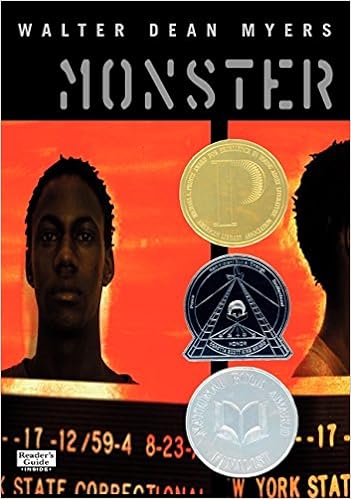
Monster
Required Young Adult Novel
by Walter Dean Myers
Myers, W. D. (1999). Monster. New York: Harper Teen. Steve Harmon is only sixteen years old, but he is in juvenile detention and on trial for a robbery that resulted in a death. Did Steve act as a lookout in the robbery, did he participate, or was he not involved at all? If he is found guilty, he may spend the rest of his life in prison. As the trial unfolds, various witnesses are called and conflicting stories are shared. Even though he is absolved of the crime in the end, it is clear that his attorney is not completely sure of his innocence. Monster is written as a first-person narrative from Steve's perspective. As a budding movie director, Steve records his story as a screenplay, with periodic journal entries which reveal that he sometimes views himself as a monster, as the prosecuting attorney labels him. The style of writing and flashbacks made this realistic fiction novel unique, but a bit difficult to follow. In addition, I thought it was hard to keep track of the characters; I suggest keeping a list with a brief description of each as they are introduced. As the trial proceeds, the reader begins to understand how one decision can alter a life and have long-term results. Although Walter Dean Myers reveals the result of the trial, I did not feel like he was definitive in expressing whether or not Steve was actually guilty or innocent, and I think he did this intentionally. The book will leave you thinking about how to make wise decisions, whether Steve was guilty or innocent, and will allow for its readers to debate their stance using details from the story. Author, Walter Dean Myers' website: http://walterdeanmyers.net/